A studio is more than a backdrop
A studio portrait can introduce an artist while leaving the work itself almost unexplained. Jaccob McKay’s Andy Pye collection takes a wider view, placing the artist alongside the room, the tools and a painting. Each contributes a different kind of information.
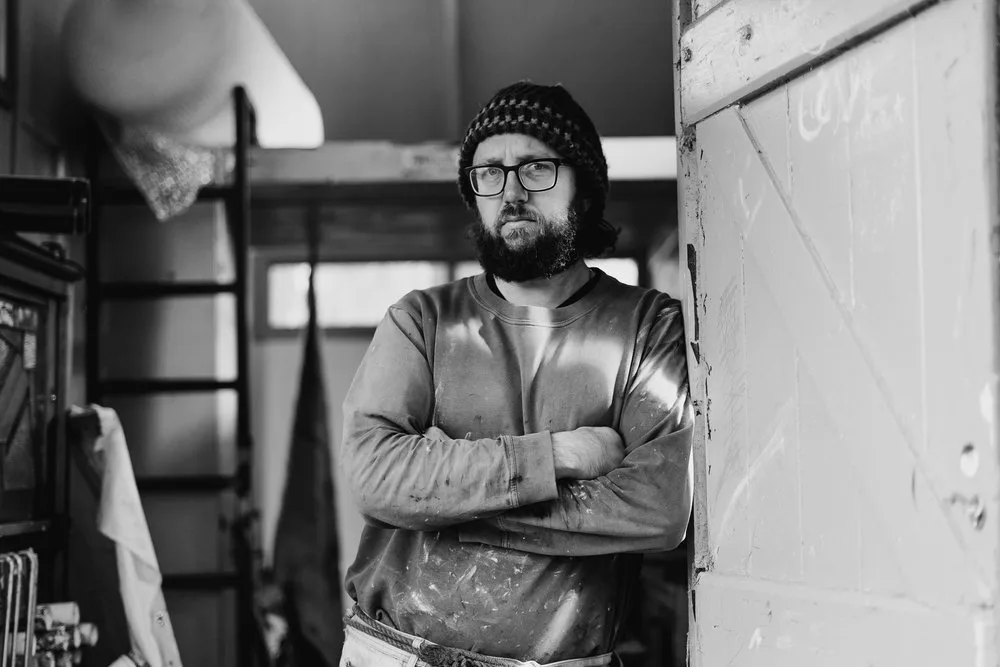
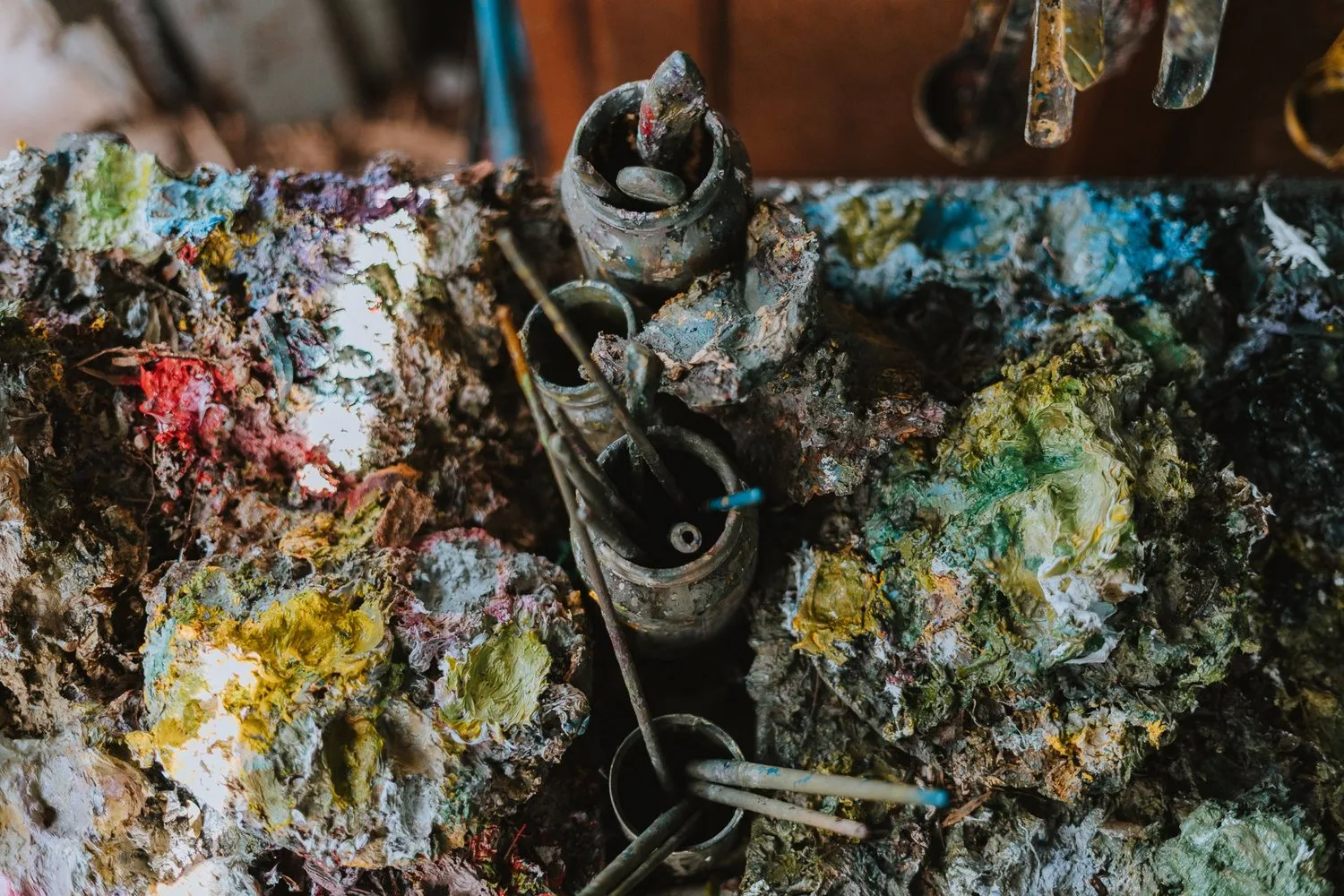
The black-and-white portrait establishes a person in a working environment. The palette, thick with accumulated paint, brings attention to the physical activity that takes place there.
Tools and finished work tell different stories
The palette is interesting because it contains traces of repeated decisions: colour mixed, paint left behind, surfaces used again. It is not a tidy explanation of how a particular painting was made, but it gives the practice a material presence.
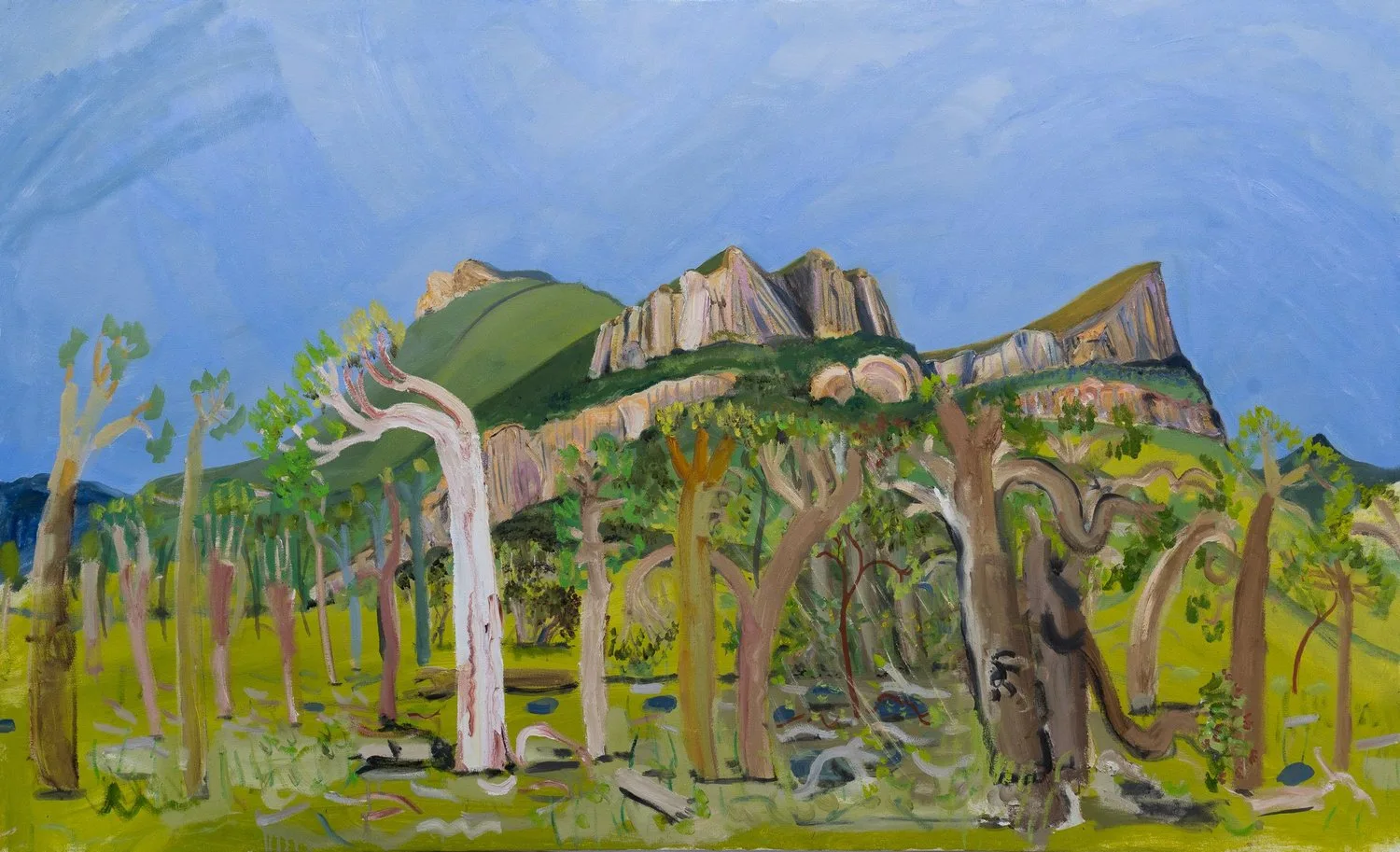
The finished artwork needs a different kind of attention. Its colour and composition should be allowed to stand on their own rather than being reduced to an illustration of the artist’s surroundings. The collection creates room for both kinds of image.
A fuller account of creative work
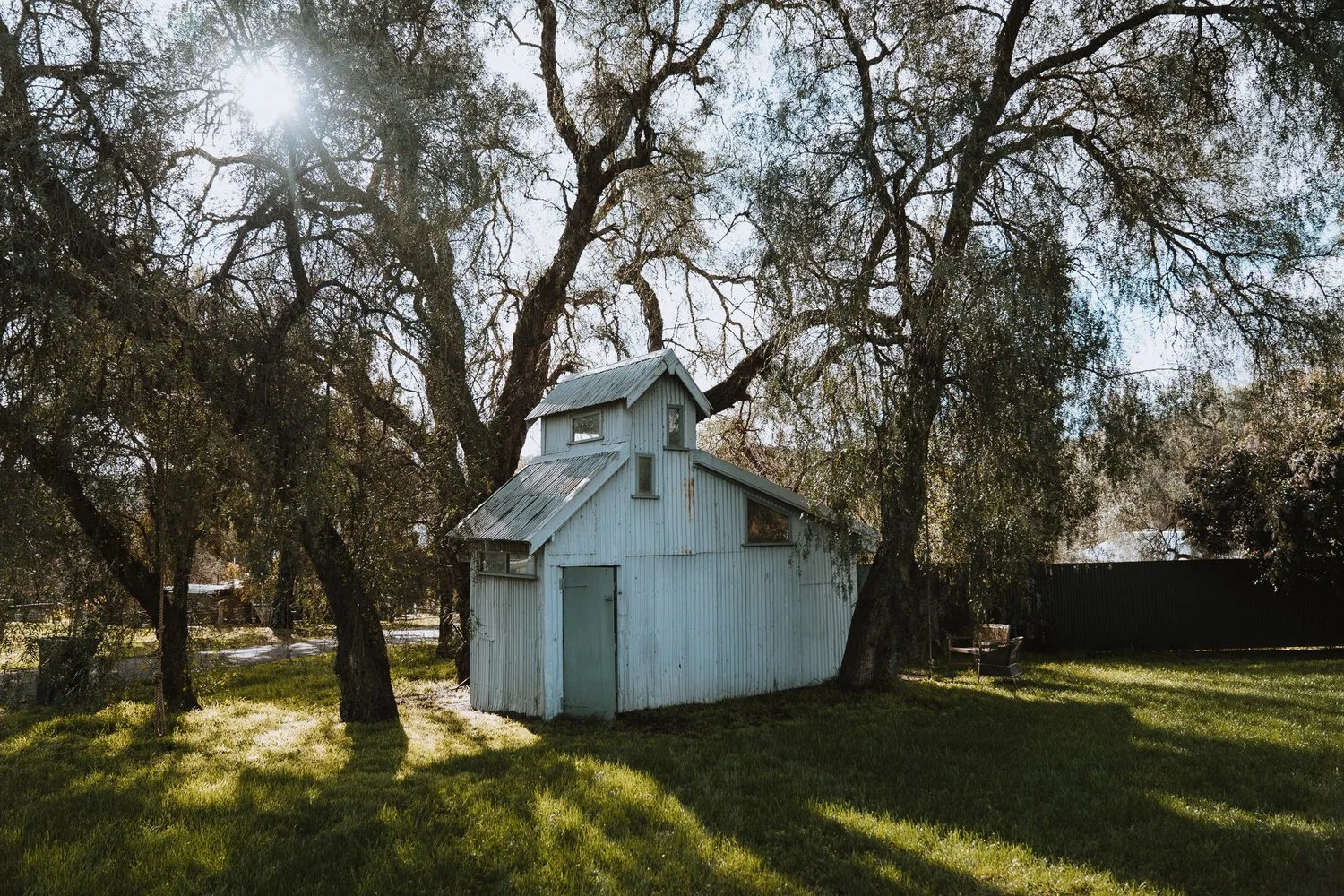
The exterior studio photograph supplies a location for these close details. An ordinary building beneath trees becomes the place in which the more concentrated activity occurs.
The Andy Pye project gallery offers a useful model for documenting a creative practice: include the person, but also give the workspace and the work their own attention. This feature is based on the photographic record, not an interview with the artist, so it leaves his intentions and working philosophy to his own account.
Project credit
This publication is connected with Jaccob McKay and Vessel Studio. The feature examines their credited project work and is not an independent review of the client or its services.