A living part of the museum
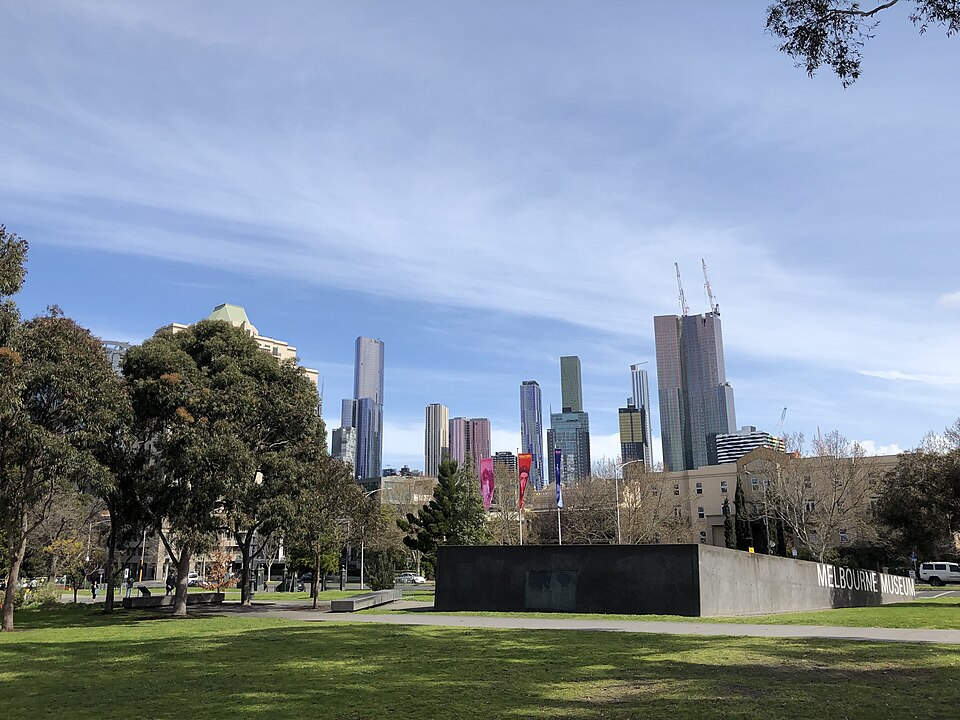
The Forest Gallery changes the pace of a visit to Melbourne Museum. Its eucalypts, ferns, water and wildlife introduce living processes into a place where visitors may expect objects to remain still. Museums Victoria describes seasonal changes in flowering, fungi, berries and nesting birds.
That makes a repeat visit meaningful in a particular way. You may return to the same route and encounter a different set of visible details. A photograph can record one moment, but it cannot stand in for the whole gallery.
Plan to give the space its own time rather than using it only as a passage between other exhibitions. Check the museum’s current entry and access information before visiting.
The landscape has a curatorial structure
TCL, the landscape practice that led the design, describes the project as a collaboration with museum curators. Its interpretive framework identified water, earth, climate, fire and people as forces shaping the forest.
This offers a way to read the space beyond identifying individual plants. Choose one theme and look for the relationships it brings into view. For water, that might mean noticing where it is visible, how the nearby planting changes and how the route positions you beside it. For time, it could mean contrasting new growth with older material.
The exercise is about observation, not proving that you can recognise every species. A useful museum visit can begin with a well-formed question rather than a list of names.
Leave time to notice small things
Pause at a permitted stopping place and let movement come into view. Museums Victoria lists birds and aquatic animals among the gallery’s residents, but a named species on a visitor page is not a promise that it will appear during your visit.
Look at more than eye level. Compare the canopy, the understorey and the ground, while keeping to the visitor route. Try describing one small detail before reaching for a photograph: a change in leaf shape, a reflection or a sound whose source you cannot yet locate.
This approach shares something with our guide to looking across media at NGV Australia: allowing different forms of attention to alter what you notice.
Listen to the interpretation of Country
The gallery includes Biik Milboo Dhumba | Country Is Always Talking, in which First People of the Eastern Kulin Nations share perspectives on connection with Country. Museums Victoria also identifies Robert Young’s sculpture The Sacred Tree of Our Songlines within this experience.
Allow time for those voices on their own terms. They should not be reduced to background information for identifying plants. Read and listen to the interpretation provided by the museum and the people whose knowledge it presents.
Before leaving, return to one place you noticed on arrival. Compare what you now understand about it with your first impression. For another Melbourne cultural space where the design shapes how people attend to what they encounter, see our Melbourne Recital Centre story. The Forest Gallery offers its own reminder that a venue can influence the quality of attention as much as the things within it.