A public space for the life around books
A book is usually encountered alone, at a pace chosen by the reader. An author conversation changes that arrangement. Questions arrive from another person, a writer has to explain a decision aloud, and the audience hears what remains uncertain as well as what has reached the page.
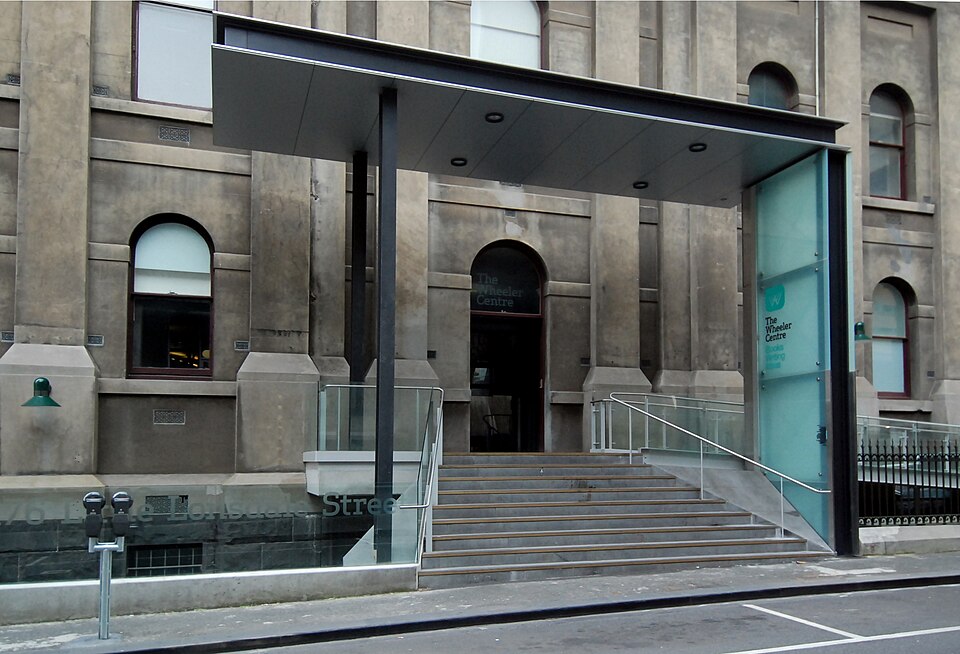
The Wheeler Centre opened to the public in 2010, following Melbourne’s recognition as a UNESCO City of Literature in 2008. Its programme includes events in its own CBD venue, elsewhere in Melbourne and Victoria, and online.
That range matters when choosing a visit. The Centre’s Little Lonsdale Street address is not the location of every event it presents. Check the venue on the specific listing before planning the evening.
Choose a question as well as a name
A familiar author is a good reason to attend, but the event’s subject and format can be just as useful. Is it a conversation about one book, a discussion involving several writers, or an exploration of a wider public issue? Read the description and identify what you would like to understand more clearly.
You do not always need to have finished the book. If you have read part of it, note one choice that caught your attention: the point of view, the order of events, an unusual use of evidence or a change in tone. If you have not started, arrive with a question about the subject rather than an expectation of a complete plot summary.
For an evening built around reading beforehand, our La Trobe Reading Room guide explores another part of Melbourne’s literary landscape.
Listen for the decisions behind the finished work
During the conversation, pay attention to moments when the writer describes changing direction. What did they remove? Which source complicated an early assumption? How did a character, structure or audience alter the draft?
These are listening prompts, not claims about what any particular speaker has said. A public event may follow an entirely different path, and the unexpected subject can become the most interesting part.
If audience questions are invited, ask one clear question and leave room for the answer. A concise question about a specific decision usually gives the speaker more to work with than a long account of your own interpretation. Afterwards, write down the idea you want to revisit rather than trying to preserve the whole evening from memory.
Use the recordings as a second route in
The Wheeler Centre’s digital collection brings together videos, podcasts and articles. It provides a way to explore a writer before attending an event or to encounter conversations you could not see in person. Check the date and description of a recording so that an older discussion is understood in its original context.
Try pairing one recording with a passage from the relevant book. Read the passage first, listen, then return to the same pages. You may notice a structural choice or unresolved tension that was less visible before.
For live events, confirm the individual booking and accessibility details. For recordings, choose a format that suits how you listen. Either route can leave you with something more valuable than a borrowed opinion: a sharper question to bring to your next hour of reading.