The room is part of the performance
A concert venue is not simply a container around a stage. Its shape, surfaces and sightlines influence the relationship between musicians and listeners. Melbourne Recital Centre makes that connection a useful subject for anyone interested in both design and music.
The centre credits Ashton Raggatt McDougall as architect and Arup Acoustics as acoustic consultant. Its account of Elisabeth Murdoch Hall describes a development of the traditional rectangular concert-hall form, with a timber interior designed as part of the acoustic response.
Read the surface as more than decoration
The hall’s textured timber lining has a visual identity, but the centre’s design explanation also gives it an acoustic purpose. Surface geometry helps diffuse sound, while the design around the platform supports musicians hearing one another.
That does not mean a photograph can demonstrate acoustic quality. It can show form, pattern and material; listening requires being in the room during a particular performance. Keeping those forms of evidence separate makes architectural discussion more precise.
Choose a listening question
At a concert, try following one instrument or voice through a short passage, then return attention to the ensemble. Notice how the relationship changes when the music becomes quieter or denser. These are prompts for listening, not a technical test of the room.
Your seat, the performers, the repertoire and the performance setup all belong to the experience. Avoid turning a single evening into an absolute ranking of venues. A useful personal note describes what you heard and where you were, rather than claiming the room always behaves in one way.
Connect the visit to the building
Check the current performance listing for the specific room, seating and access arrangements. The centre contains more than one performance space, so the venue name alone does not identify the room discussed here. Look for current guided-tour information if architecture is your main interest.
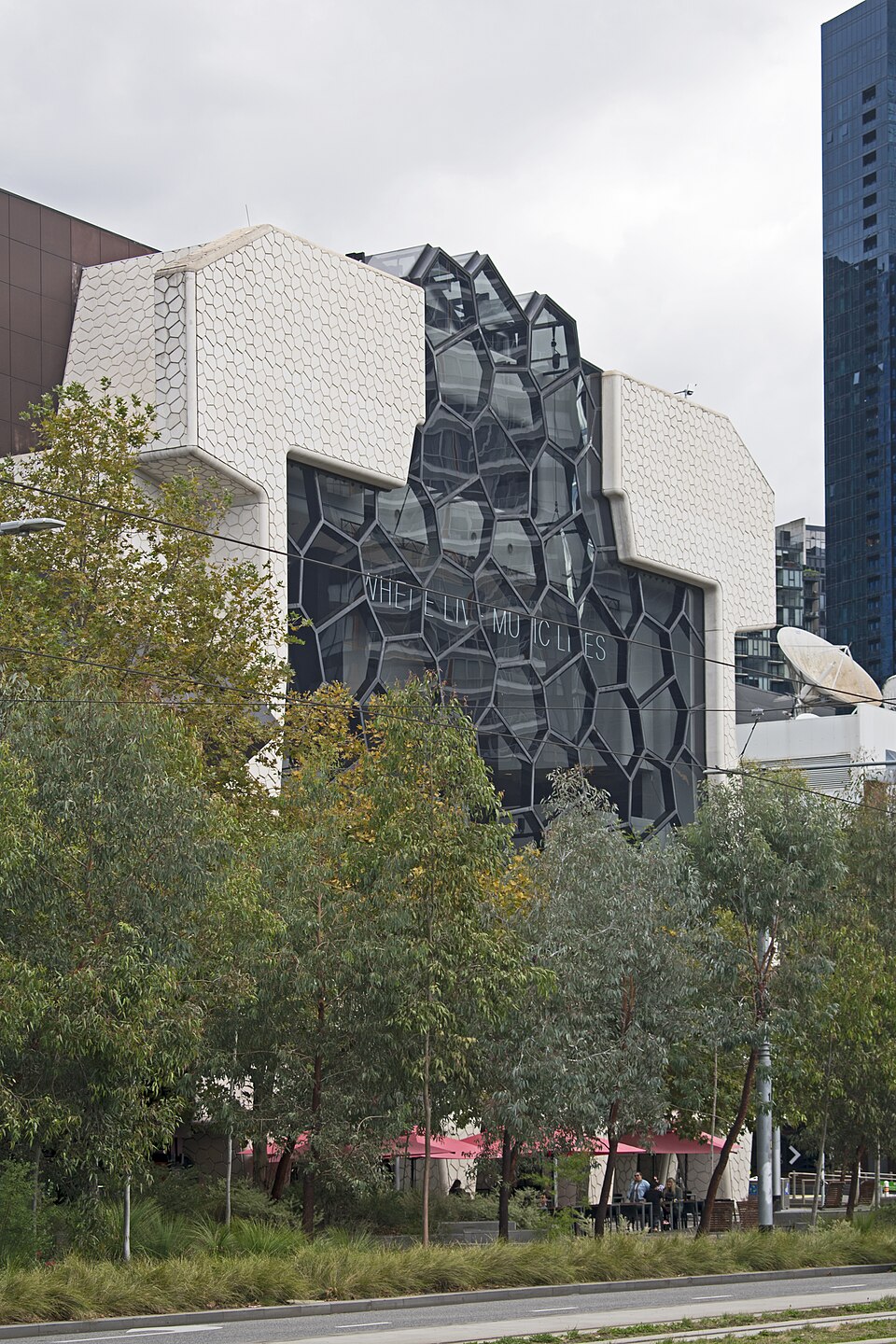
The exterior photograph introduces the centre’s public face; the design account leads towards the interior’s less immediately visible work. Together they suggest a good way to approach performance architecture: look carefully at the building, then allow the event to explain what the building is there to support.