The finished image and its context
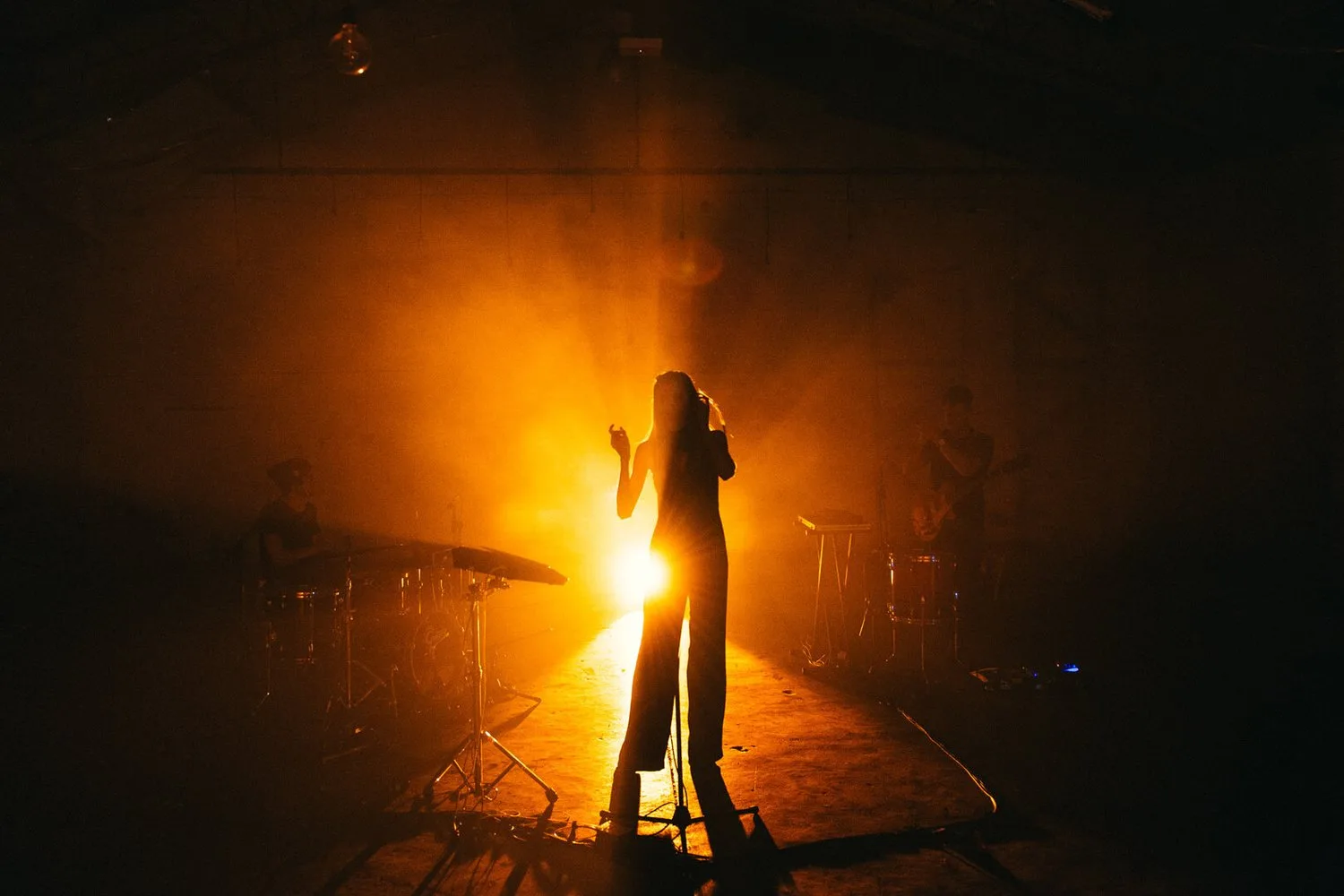
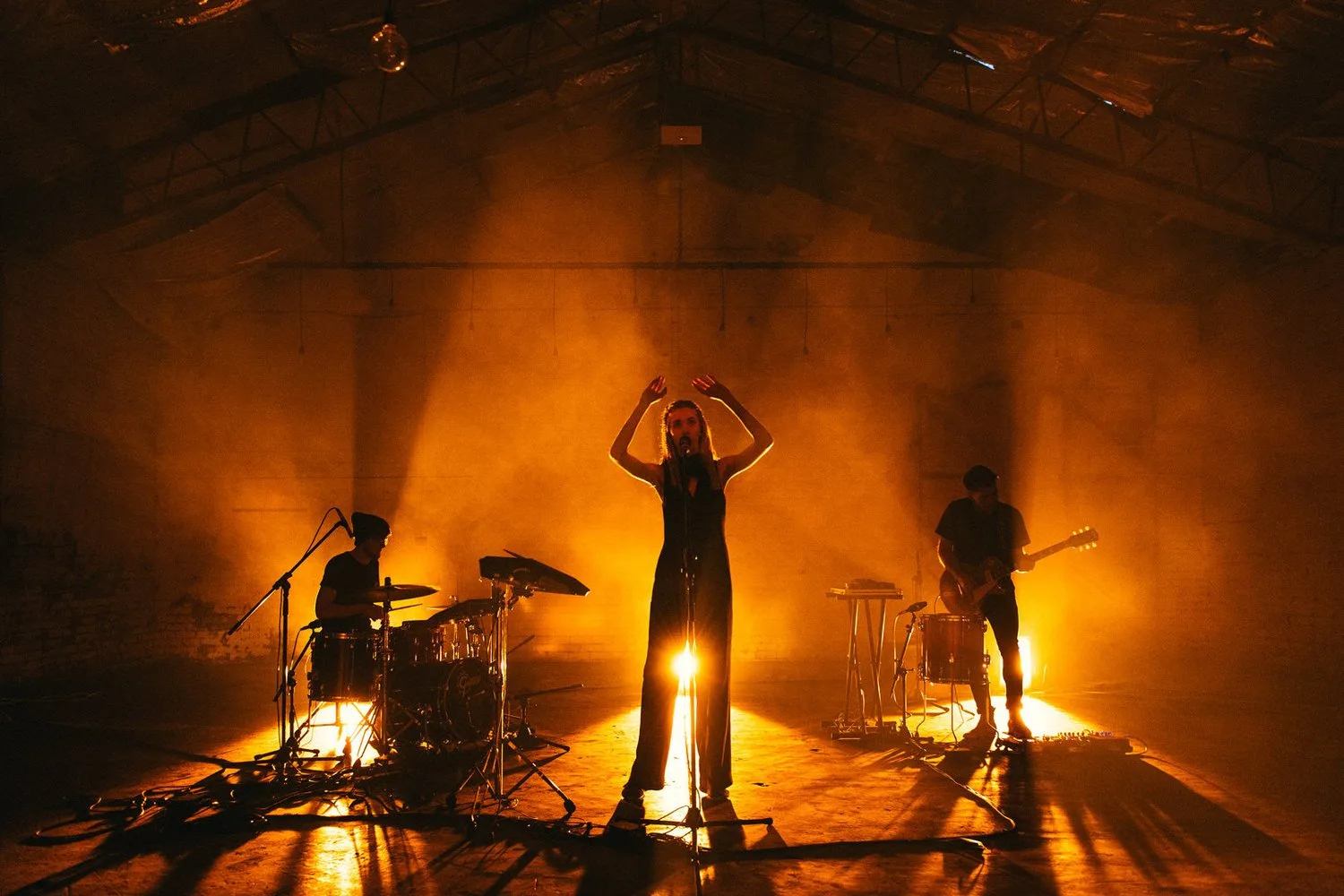
A performer isolated in warm light can make a large room almost disappear. Equipment becomes silhouette and attention gathers around one figure. Elsewhere in Jaccob McKay’s Woodes collection, the wider room and the people around the production become visible again.
These are complementary accounts of creative work. One preserves the atmosphere of the performance; the other gives it a working context.
Different distances, different information
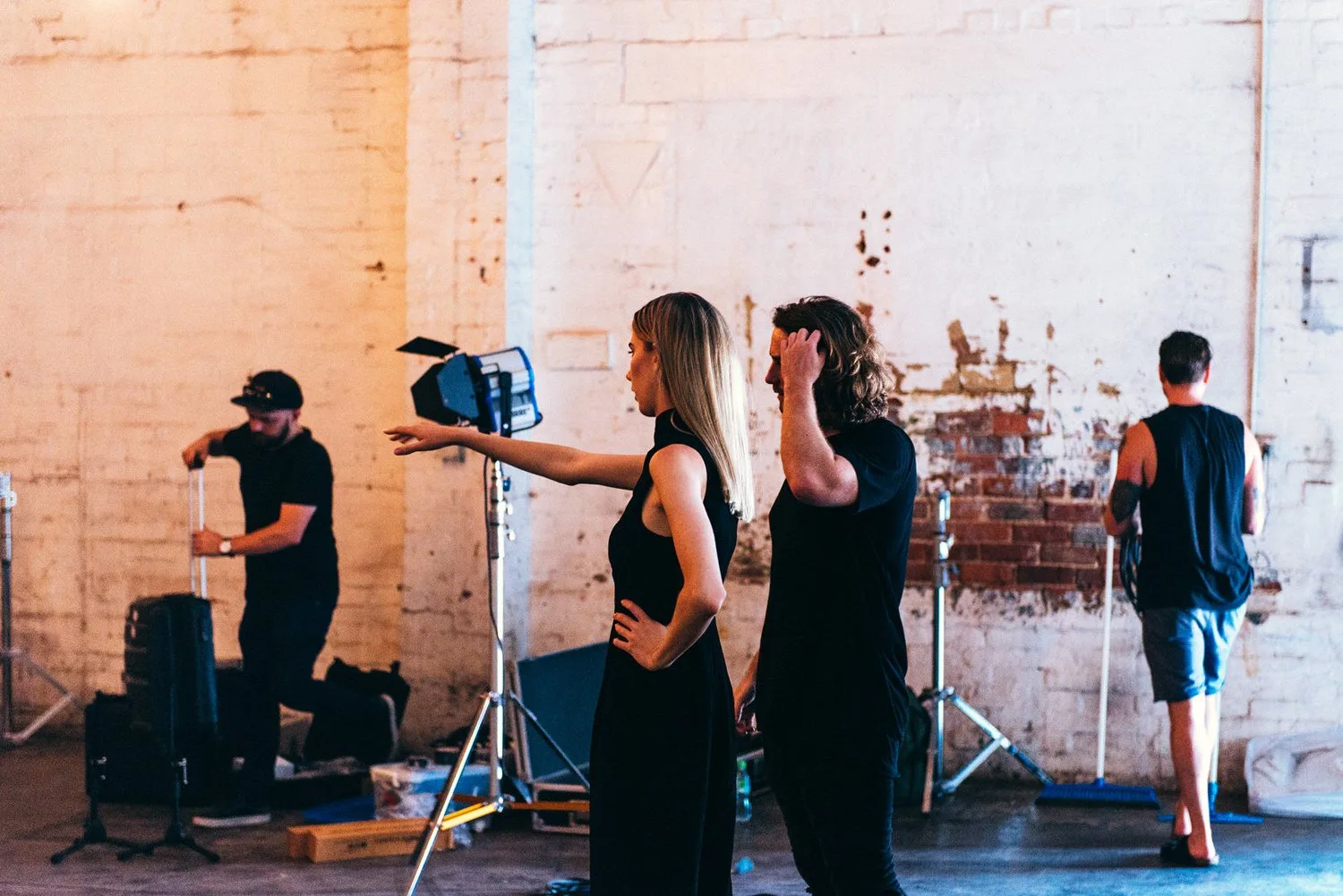
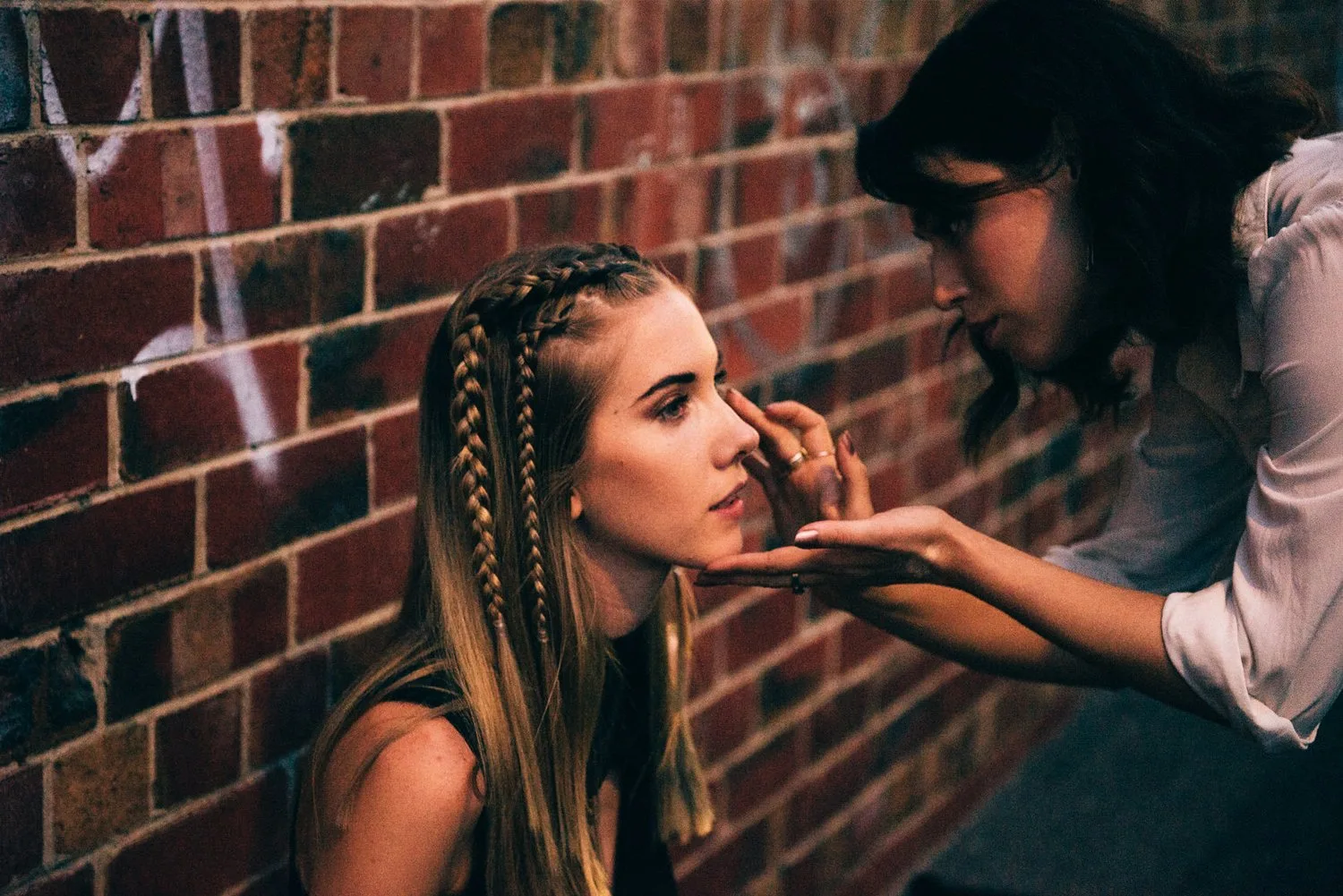
The broad production view reveals space, equipment and activity. A closer portrait returns attention to expression, clothing and the face. Neither needs to compete with the more dramatic performance photograph.
A useful collection gives each distance a purpose. A wide frame should establish something about the setting; a detail should reveal something that the wider view leaves unresolved. Simply moving closer does not automatically add to the story.
Documenting creative production
The Woodes project gallery shows how an image collection can move between atmosphere and context without abandoning a consistent visual direction.
The source identifies the project and photographs, but does not establish every production role or the title and date of the work shown. This feature avoids filling those gaps with assumptions. Its focus is the documented photographic approach: a performer at the centre, with enough attention to the surrounding room and people to acknowledge the wider making of the scene.
Project credit
This publication is connected with Jaccob McKay and Vessel Studio. The feature examines their credited project work and is not an independent review of the client or its services.